
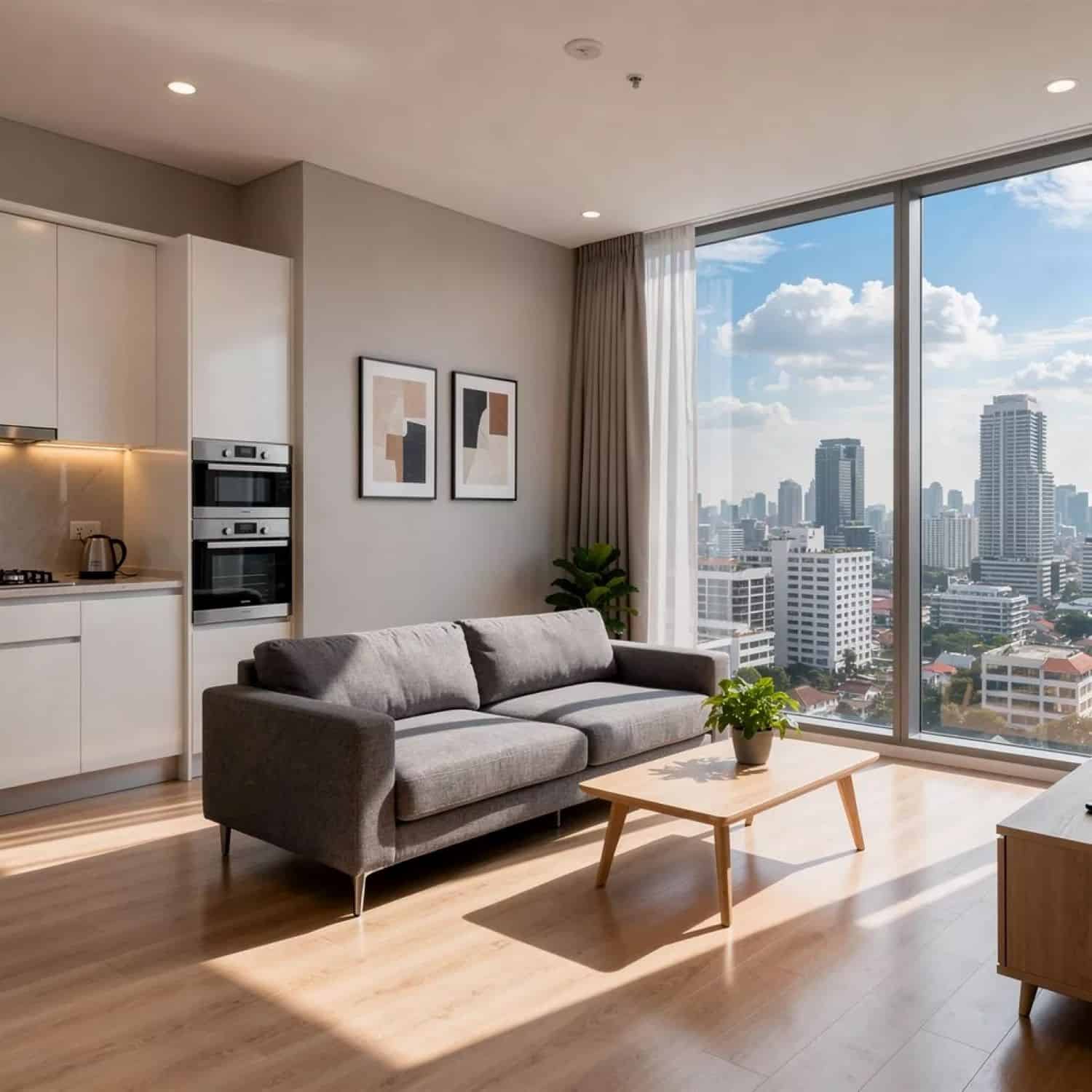
Renting a long-term apartment in Bangkok requires more than just reviewing photos and comparing monthly rental fees. Much of the living experience depends on the contract itself, which outlines the responsibilities, protections, and limitations for both the tenant and the landlord. For anyone exploring bangkok apartments for rent long term, understanding the lease structure is what ensures stability and avoids surprises later.
Key Points Renters Should Understand Before Signing
1. Standard Lease Length in Bangkok
- Most contracts start at 12 months because landlords expect consistent occupancy.
- Some buildings offer 18- or 24-month leases, often with slightly better pricing for longer commitments.
- Tenants planning to stay multiple years should ask about multi-year agreements, which can lock in favorable rental rates.
2. Security Deposit Requirements
- The standard two-month deposit applies to most bangkok apartments for rent long term, but some newer buildings have adapted to a one-month model to stay competitive.
- Read the part of the contract that specifies permissible deductions. Some landlords outline cleaning fees or specific penalties; others require the tenant to repair or replace minor items.
- A clear deposit-return procedure reduces end-of-lease disputes.
3. Upfront Payments and Additional Fees
- Beyond deposit and first-month rent, some buildings charge a move-in fee or require elevator booking for large furniture.
- Optional services like parking, keycard replacements, and mailbox rental may appear in the contract.
- Tenants should check for any “administrative” or “registration” charges that occasionally appear in premium buildings.
4. Maintenance and Repairs
- Most landlords expect tenants to report issues promptly to prevent further damage.
- Contracts often specify a repair responsibility threshold. For example, tenants may cover issues below 500–1,000 THB.
- Air-conditioning maintenance is commonly required every 6–12 months, and some buildings mandate proof of servicing.
5. Early Termination Clauses
- Contracts are typically strict on early termination, especially in private apartments.
- Some corporate landlords offer 2-month penalty termination, while serviced apartments may allow 30-day notice.
- Expats should confirm whether a diplomatic clause is available and what documentation is required if invoked.
6. Bills, Utilities, and Other Running Costs
- Electricity pricing should follow MEA government rates unless the apartment uses a private meter.
- Water charges differ by building; some calculate per unit, per person, or per room size.
- Ask whether pest control, garbage collection, or common-area maintenance is included in monthly rent.
7. Renewal, Rent Adjustments, and Exit Conditions
- Renewal agreements may include automatic rate adjustments linked to inflation or building improvements.
- Contracts should clarify repainting responsibilities during move-out. Some landlords require professional cleaning before returning the deposit.
- Tenants planning long stays should discuss future rent expectations to avoid sudden increases.
8. Inventory Checklist and Move-In Inspection
- A complete list should include furniture condition, appliance serial numbers, and any existing marks or wear.
- Tenants should request a signed copy and keep photo evidence.
- This step is essential for avoiding unfair deductions later on.
9. House Rules, Community Guidelines, and Restrictions
- Quiet hours, gym access policies, pool guest rules, and parking privileges can vary dramatically across buildings.
- Some strict-managed residences also regulate décor changes, wall mounting, or pet approval.
- Violations may lead to fines or even denial of contract renewal.
10. Choosing Lease Terms That Match Your Living Style
- Some renters prioritize flexibility, while others value stability above all.
- Understanding whether the property is individually owned or part of a corporate-managed building helps predict how strict or flexible contract terms will be.
- The right lease isn’t just about cost; it’s about creating a predictable, stress-free living experience.
Practical Insights That Strengthen Your Decision-Making
For renters exploring bangkok apartments for rent long term, deeper preparation can significantly improve the living arrangement. Learning how property management in Bangkok typically operates helps tenants anticipate responses, maintenance speed, and overall service quality. Corporate-run residences usually follow standardized procedures, while privately owned condos introduce more individual negotiation opportunities.
Understanding your legal footing also matters. Thailand’s rental framework generally favors reasonable negotiation, but the details hinge on contract wording. This is why reading every clause carefully is essential. Many tenants overlook sections about liability, late-payment fees, or after-hours emergency repairs, yet these are precisely the terms that influence quality of life during unexpected situations.
Comparing multiple properties also provides context to evaluate whether a contract is fair. When you know the market standard for deposits, utilities, and penalties, it’s easier to spot red flags or negotiate better terms. A careful, informed approach allows tenants to secure an arrangement that supports long-term comfort and financial stability.